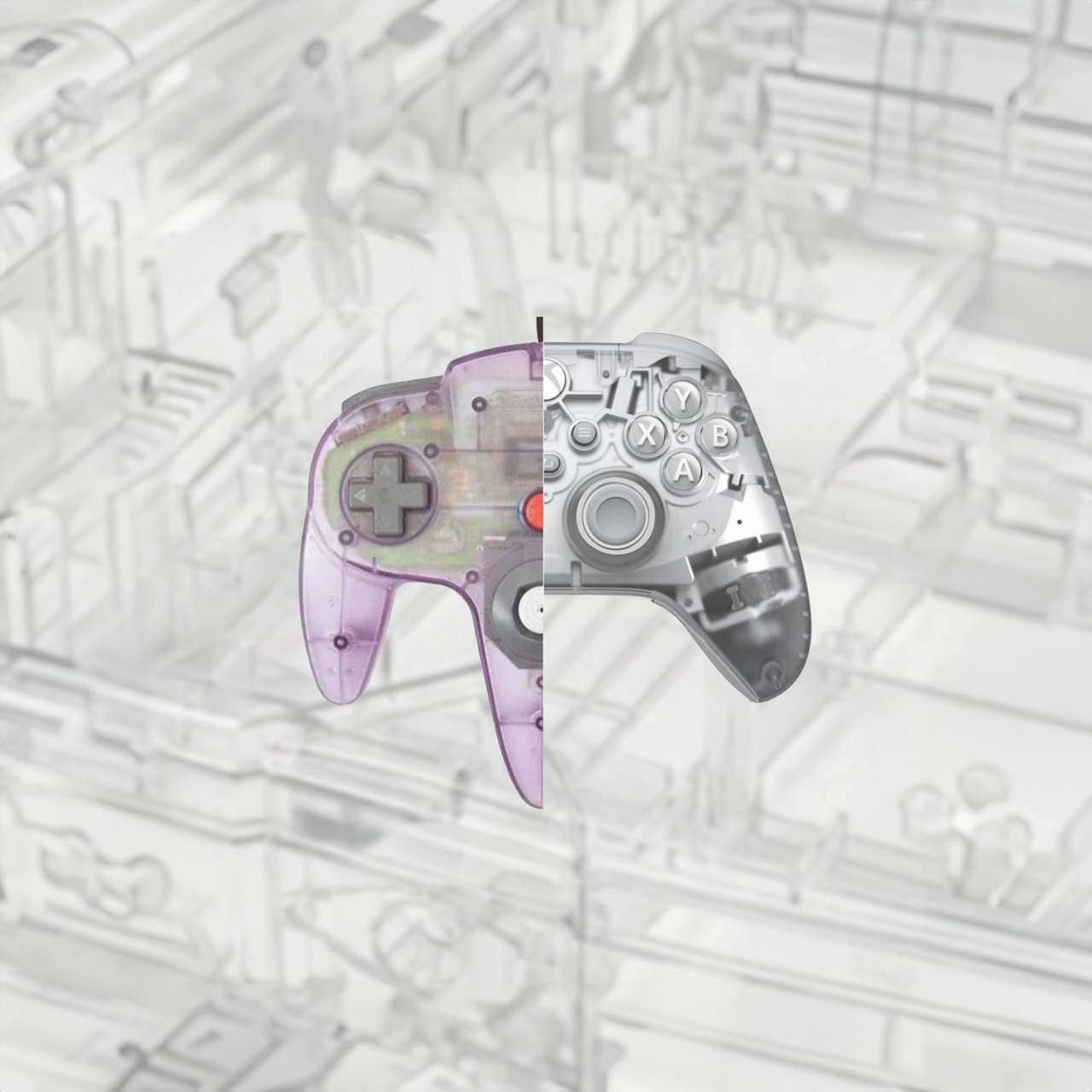
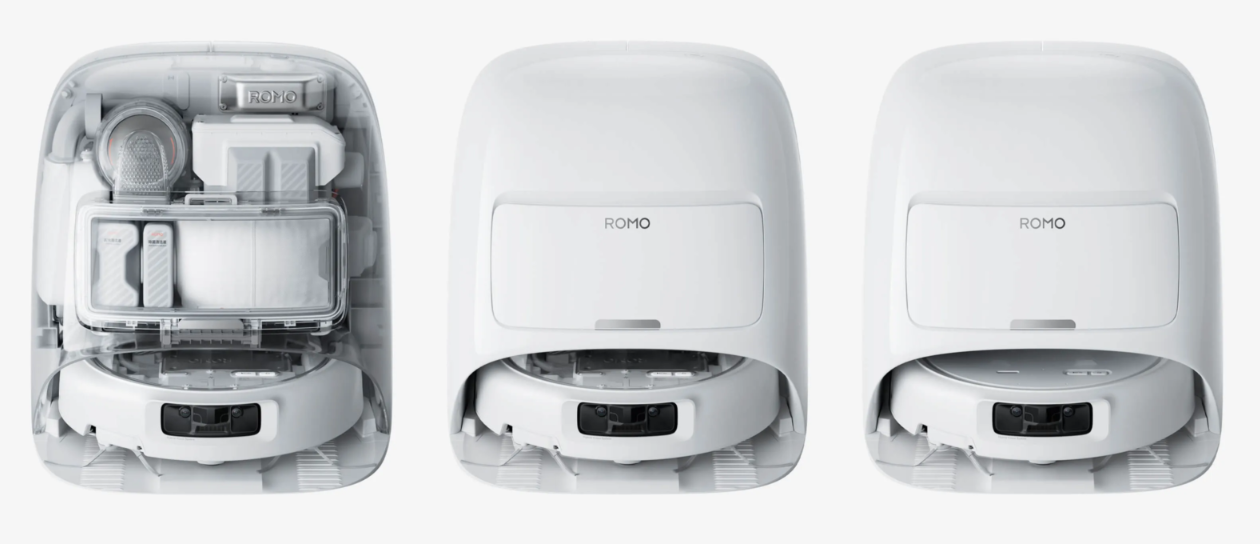
Recently, I came across a product that looked brand new, yet somewhat familiar. I am talking about the DJI Romo P. While the standard version looks like a pretty normal robot vacuum cleaner, it’s the transparent version that draws quite some attention. It features a completely transparent housing on the base station as well as a transparent window on top of the robot itself. I've always been a fan of seeing what's actually going on inside a product, so I remembered that this used to be quite common some 40 years back. But what were the origins of this design trend, and how come it is having such a revival?
The year is 1939 in New York City. Just a little over an hour ago, you left Willets Point Blvd subway station to leave the thoughts about the looming war in Europe behind and, just for one day, enter the enthusiasm-driven world that is the 1939 NYC World's Fair. You weren't quite sure what to expect, but you knew that what was in front of you was way beyond your imagination. You are looking at a Pontiac Deluxe Six four-door touring sedan with a fully transparent enclosure. In this context, the transparent enclosure was mainly meant to both show off advancements in material sciences and let people see the inner workings of a car.
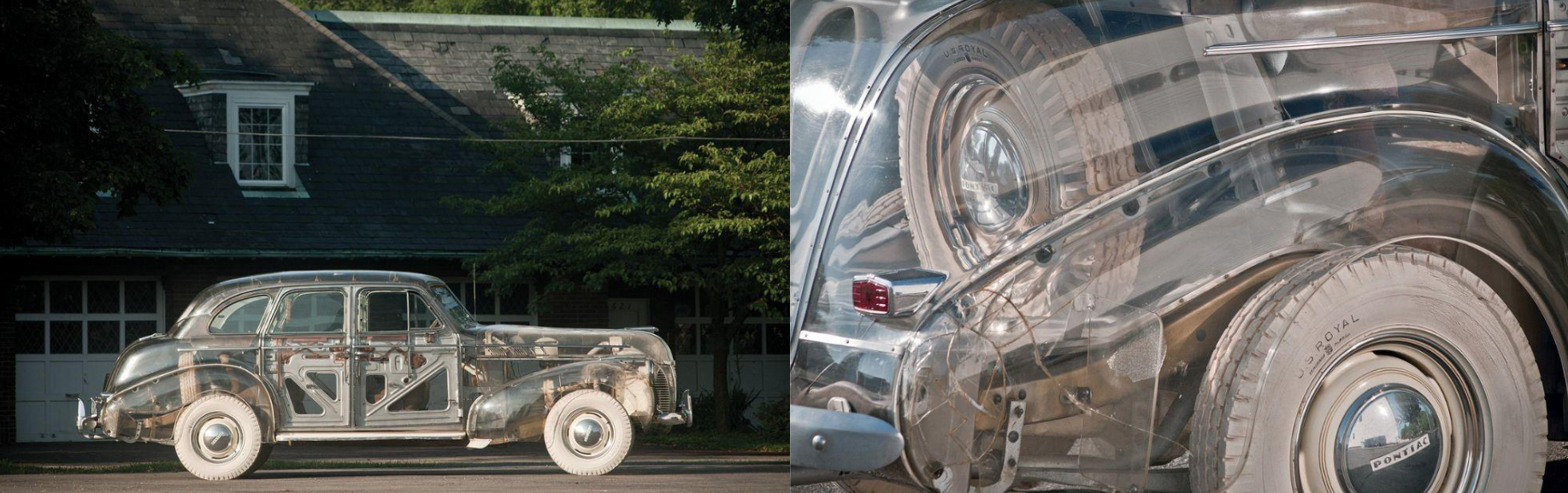
To me, the important thing to observe here is that the manufacturers of the car undeniably were proud of it and the way it worked, so they felt like it was worth displaying the technologies rather than hiding them behind an enclosure.
After having had an important debut at the World's Fair, transparent materials were mostly only used in the form of acrylics for the canopy in war planes, and usage in consumer accessible products was largely put on a halt. This, however, was not the end for transparent design.
The year is 1989. You are lying on the carpet, half-watching TV, half-reading the newest issue of "Rolling Stone" magazine. Your parents call for you, "dinner is ready," but right as you get up, you see something flickering across the TV. It's an ad for something you have never seen before. On the screen, you see a new kind of landline phone (it's the 80s after all), one that is transparent, showing off all its insides coated in beautiful neon colours. It feels fresh, new, like something you could show off when you have friends over! You decide to hijack the entire dinner conversation to persuade your parents to get one.
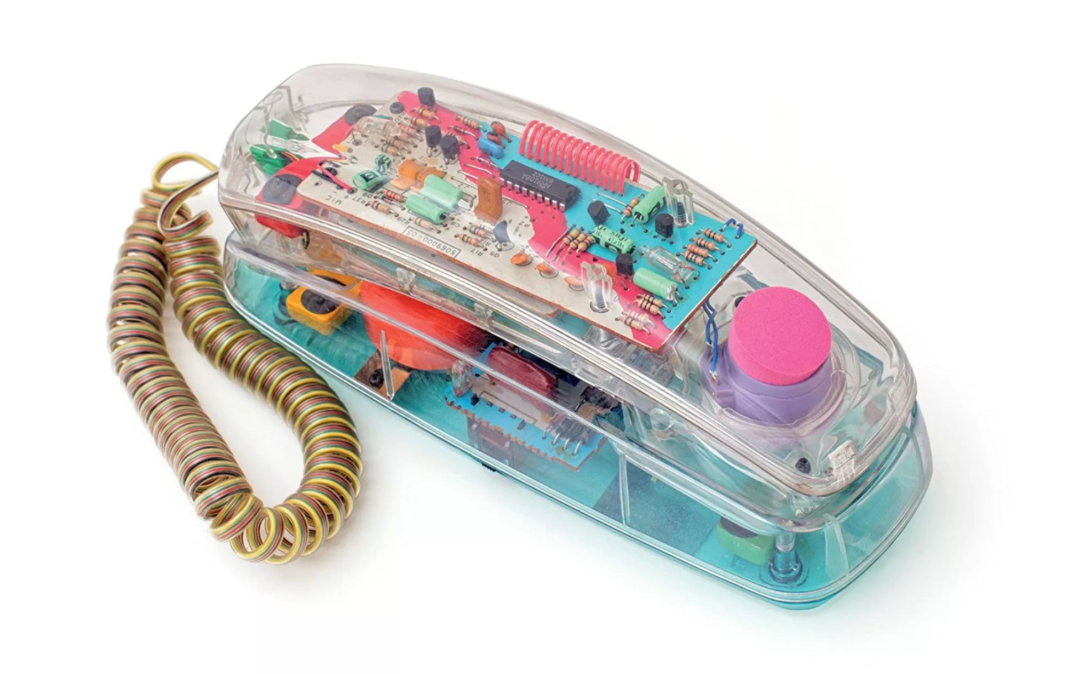
The phone I am alluding to is the Conair HAC SW205 Transparent Telephone, which heralded the next major moment for this design aesthetic. Often named "the clear craze," there was a surge in transparent plastics and materials being used in consumer electronics starting in the nineties and lasting until the early 2000s. Some famous products released during that time were translucent Tamagotchis, a clear Nintendo 64, a clear Nintendo Gameboy, the Apple iMac G3, the Apple iBook G3, and countless clear Discmans (portable CD players). The appeal, just as the product, was pretty clear (sorry for that one): to use the electronics inside as a feature and to show off the advanced technologies that enabled the product to exist. This period also featured rapid advancements in the aforementioned technologies, so it was something to be proud of and to display, just as it was done in 1939.
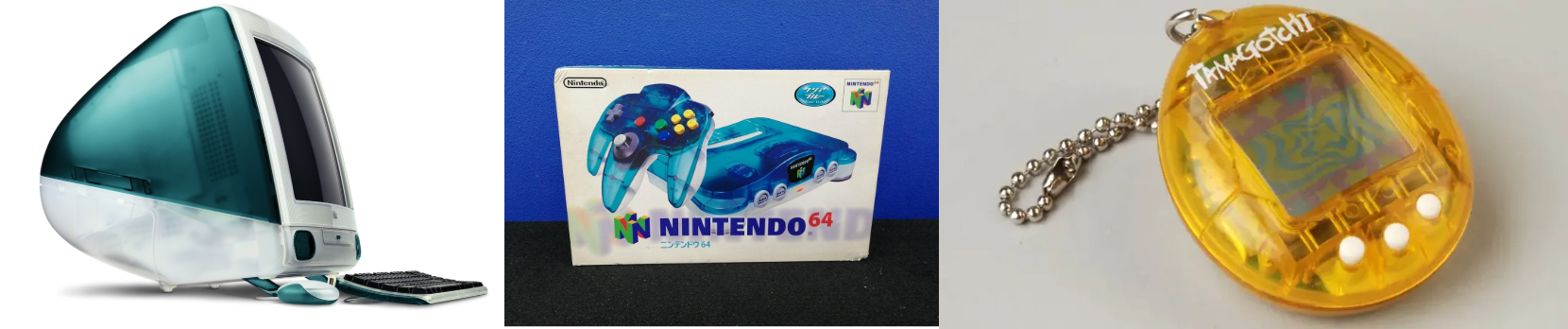
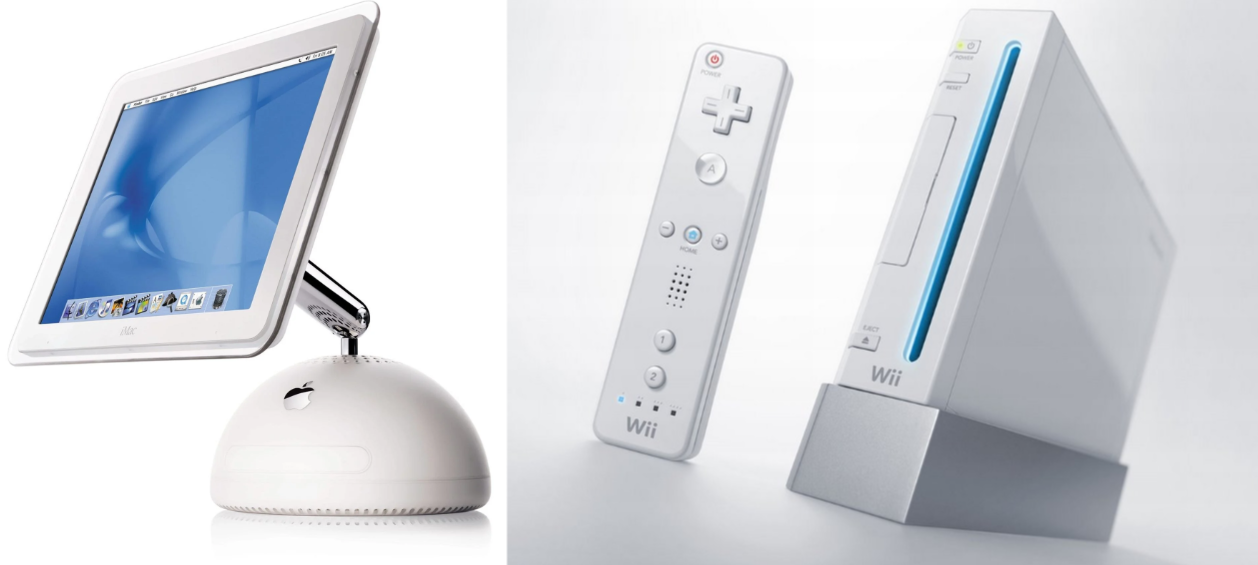
Slowly but surely, however, clear tech had to give way to another strong design trend. Eventually, there was quite a large market saturation of clear products and the novelty faded. What followed seemed to be quite the opposite of the clear craze: a design language that was obsessed with hiding any potential eyesore in an object. Apple, the company that helped transparent tech peak with the iMac G3, played a vital role in bringing about its end by switching to a cleaner look and largely pivoting to white polycarbonate and aluminum for their enclosures. Where transparent tech was playful and wild, this new aesthetic seemed more sophisticated and professional.
This finally leads me to where we are today. Slowly but surely, transparent tech is making a comeback in a significant way. With the Nothing Phone (1) in 2022, transparent tech made a meaningful comeback. While it was somewhat playful, the aesthetic of the phone was sophisticated at the same time. Moreover, the transparent back revealed programmable LEDs that could notify the user about custom events even if the phone was lying on its screen. Following products from Nothing featured a similar design language, always retaining some transparent elements, and many other brands adopted the trend again. This led to transparent gaming controllers, keyboards, headphones, earbuds, and the DJI Romo mentioned at the very beginning.
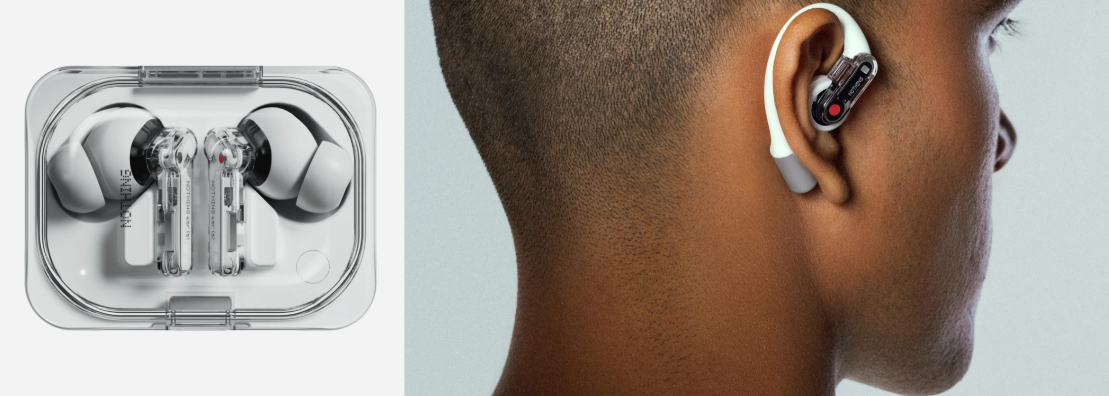
There are two main reasons why I personally love that this trend is coming back and why I think it might change the way we think about products for the better. First of all, big tech has been trying to make us believe that their products are straight-up magical. While this might seem like innocent marketing, it also paints gadgets in an almost untouchable light. Something that is magical is not meant to be taken apart and opened up. Our products are, though, and we should be encouraged to do so! With transparent elements, the product itself seems much more approachable and, to me personally, easier to repair.
The second feature I really like about this design language is its defiance of obsessive simplicity and purity. Hot take, but in my opinion, some products do not need to and, in fact, should not look like these perfectly polished artifacts. Our smartphones are meant to be used and the focus needs to be on functionality. However, as we are presented carefully produced marketing materials of these perfect and flawless objects with their smooth aluminium surfaces and shiny, scratch-free glass elements, we think of our smartphones as needing to stay in that perfect initial state. As a consequence, any dent or scratch or display of wear and usage can be turned into an excuse to buy the new model. There is even an entire industry around simply keeping the phone in a perfect state by using cases, screen protectors, and skins. With a slightly more maximalist approach to design, as shown by the Nothing Phone for example, dents and scratches become much less apparent as there is simply more going on overall.
So, to conclude, is transparent design here to stay this time? I am not sure, as making a trend stick seems almost impossible. However, I am very happy that it has come back around as I think it could change our relationships to tech products for the better in a meaningful way. And this time around, it seems that both the playful and accessible aspects of the products from the clear craze as well as the more sophisticated and sleek designs that came after influenced the current design language of transparent tech. Seeing it having matured to this point makes me both nostalgic for the past and excited about the future.
What do you think about this aesthetic? Let us know by commenting on this post!
Sources:
https://www.theverge.com/news/754168/dji-romo-robot-vacuum
https://www.theverge.com/23774468/clear-transparent-tech-gadgets-news-announcements-products
https://youtu.be/FMvougohS9c?si=XKFEqagN49EFnaXz
Image Sources:
https://ismh.s3.amazonaws.com/2012-12-13-bondi-blue.jpeg
https://i.ebayimg.com/images/g/R3kAAOSwuhlmogb8/s-l1200.jpg
https://greeblehaus.com/wp-content/uploads/2010/12/No-Price-Cut-for-the-Nintendo-Wii-in-2010-2.jpg
https://techcrunch.com/wp-content/uploads/2024/09/Buds-in-ear-e1727199097980.jpg