Walking through a university is a great way to see digitalization in its full glory. Most students are either sitting at a laptop, a tablet, or even both! Of course, a smartphone is also never far away. It seems that the advancements of the last decades have come fast and extremely persistently; there was no way anyone could have predicted the changes that we have gone through in the last 30 years. Or was there? Even though it might seem like a very modern topic, researchers have been looking into human-computer interaction since the early 60s. Xerox PARC (Palo Alto Research Center) famously demonstrated the idea of a GUI (Graphical User Interface) to Steve Jobs in 1979, allowing him to go on and revolutionize the world of personal computing with the introduction of the Macintosh in 1984. By the late 80s, however, the labs at Xerox PARC shifted their focus away from the personal computer towards a new paradigm shift called "Ubiquitous Computing."
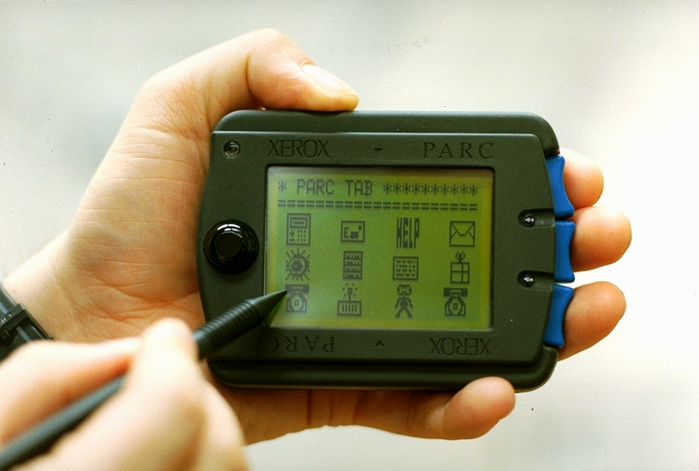
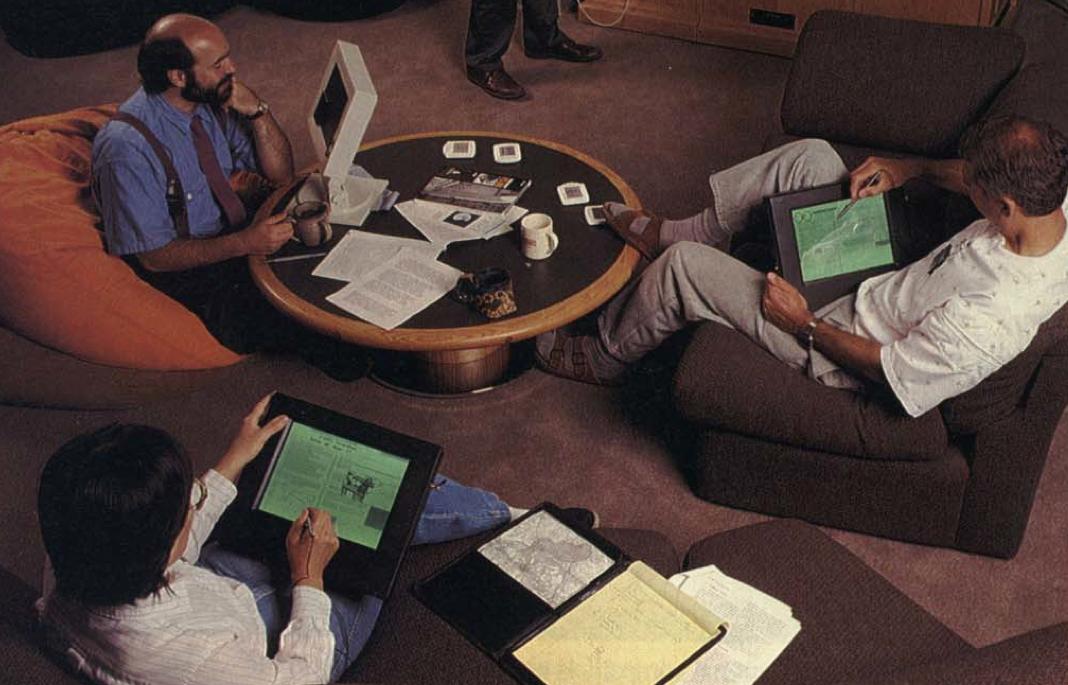
They thought of the personal computer as a transition device. Ultimately, they predicted, people would interact with multiple different computing devices that would weave themselves into everyday life and seamlessly blend in. To expand on their vision, they prototyped three new categories of products that would let humans interact with computer systems in wholly new ways. First, the tab. The tab was the smallest of all device categories and was meant to be carried around in your pocket or on your body. It would let you do small tasks such as showing your calendar and upcoming meetings; it could act as a badge to open doors or connect with nearby computer systems. Most interesting for its time, however, the tab was predicted to be aware of a user's environment. It could signal to nearby screens that a user was close and change the content on those screens to be personalized. It becomes apparent that our smartphones have taken the space of the tab in the modern world, letting us have a capable computer in our pockets at all times and providing many of the services outlined by the researchers at Xerox PARC.
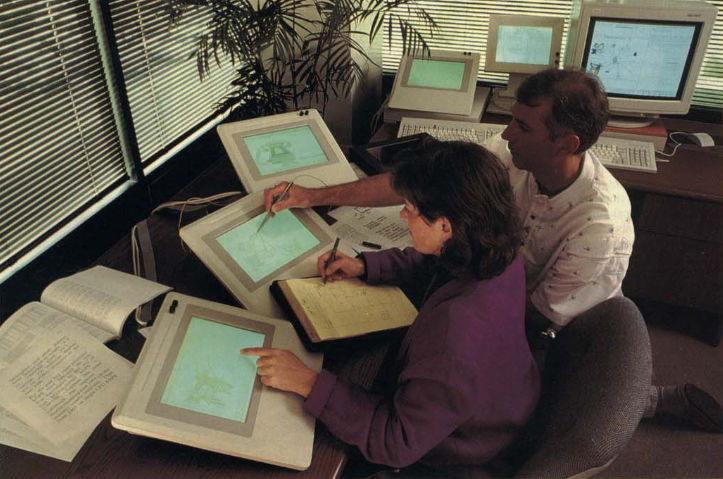
Second, the pad. The pad featured a larger form factor than the tab and was meant for a different set of tasks. It was made to mimic the way we use paper notebooks or scrap paper. It would feature a stylus, enabling you to use handwriting, and would let you take notes or draw quick diagrams. In today's world, the category of a tablet resembles this most closely. What the researchers expected to be different, though, is the ownership of the pads. The people at Xerox PARC thought of pads as communal devices. They would be lying around (e.g., at a library) and anyone could pick them up and use them. If a user needed one pad to read a document and another one to take quick notes, they could simply take two and use them together! While the communal aspect of these devices turned out to be restricted to shared family iPads, for example, the accuracy of predicting a whole product category is still very impressive.
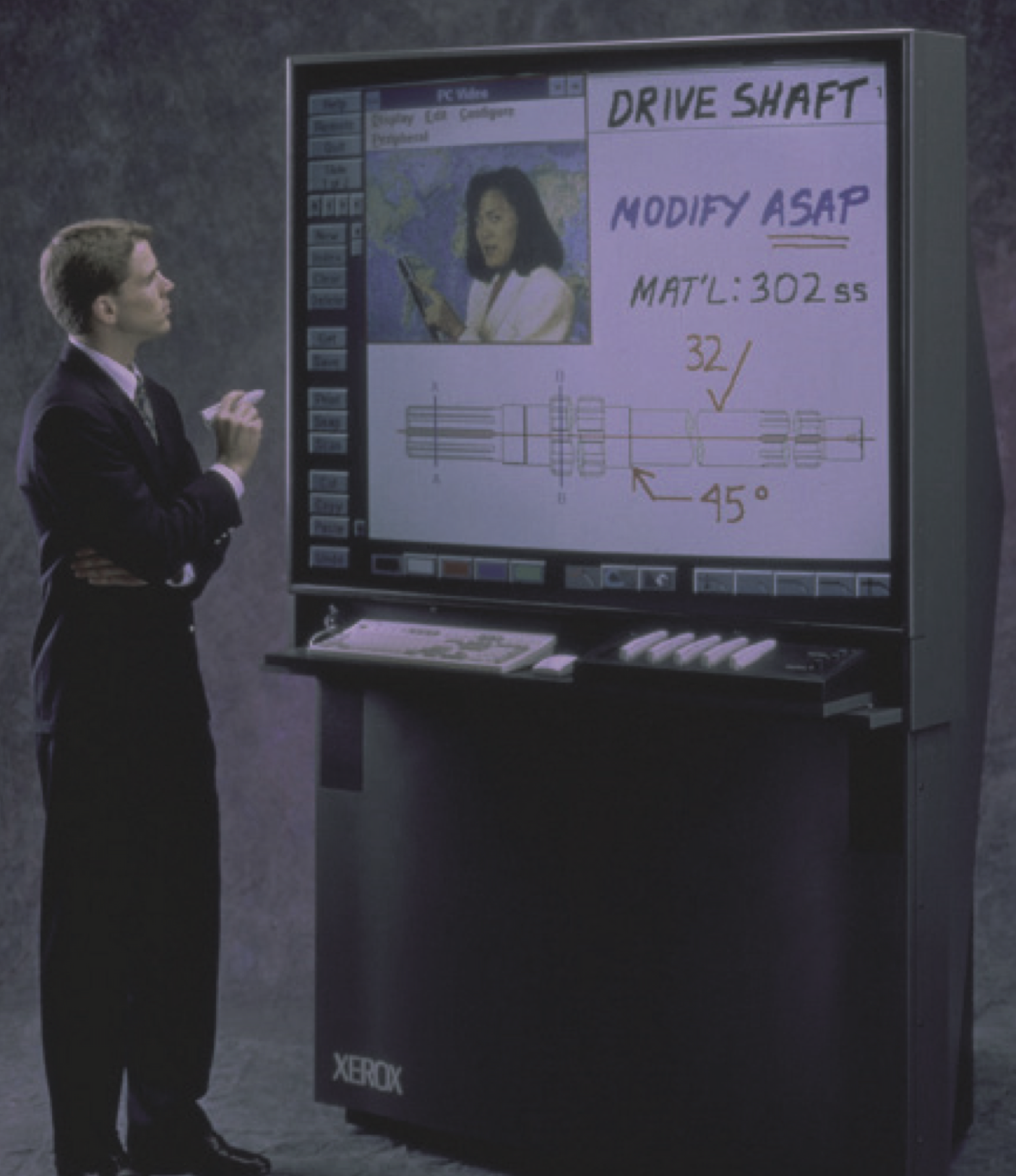
Third, the board. The third and last category that was predicted to exist was the board. Even larger than the pad, it was meant to act as a shared cognitive space to display and discuss ideas. The device consisted of a large display, around 1.2 by 1.5 meters, that could be written on with an electronic pen. It also allowed multiple people to be working at once, enabling more collaborative brainstorming sessions. In a nutshell, it was a digital chalkboard. Nowadays, the products coming closest to what the board tried to be are SMART boards or devices such as the Microsoft Surface Hub.
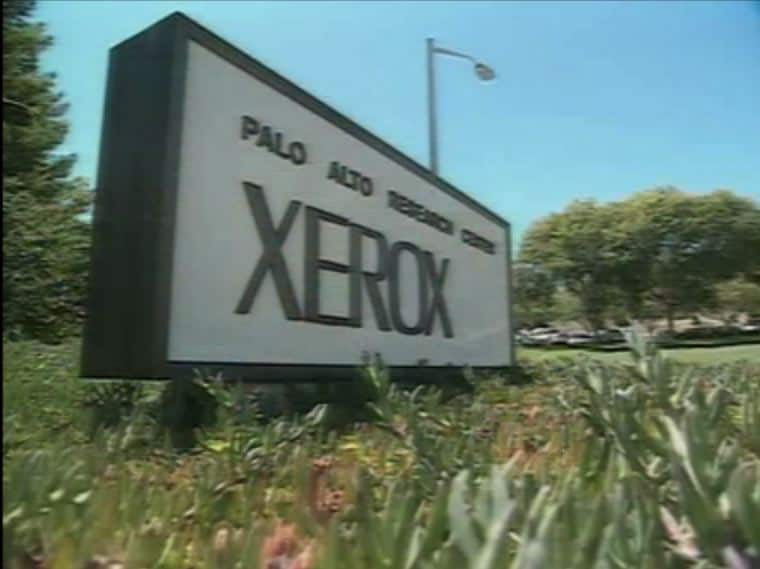
Of course, the visions predicted by Xerox PARC had their shortcomings, most importantly the thought that the personal computer would vanish as it was only a transition device. In contrast, however, the PC very much stuck around and is still one of the most widespread ways people interact with computers. In addition, smart interactive boards play less of a role than was predicted. However, I find it still fascinating to what accuracy people were able to see the life that we are living right now nearly 40 years ago. The devices outlined as tabs and pads have found their way into various aspects of our lives and help us work, learn, read, create, travel, and much more. The idea of ubiquitous computing, claiming that technologies will be embedded in various parts of everyday life, has proven to be a core reality of life in the 21st century; and while it may feel like no one could have possibly seen it coming, the people of Xerox PARC certainly did.